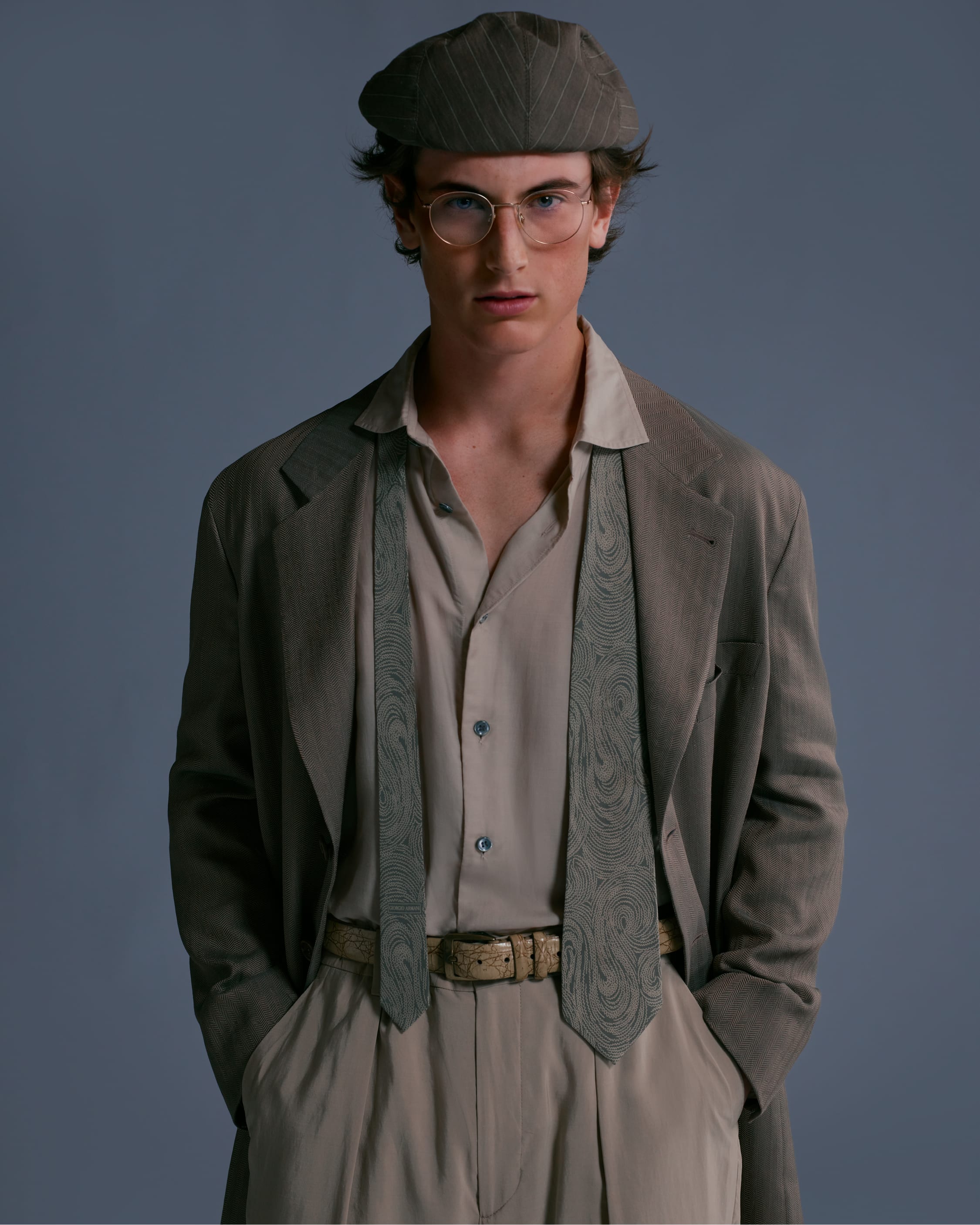
An archive does not only preserve garments: it preserves gestures. It is in the space between material and intention that the memory of a creative process takes shape, where each look becomes a trace, a language, a vision. The Armani/Archivio project was created to gather and reactivate this heritage, transforming it into a “living legacy.
Today, this legacy takes on a new form in a special edition of thirteen looks, drawn from collections spanning 1979 to 1994. The selection unfolds around the theme of the jacket, in the forms conceived by Giorgio Armani, and represents a bridge between past and future.
The project was conceived as a conscious reinterpretation of the Giorgio Armani archive, bringing into the present a selection of looks that have defined the brand’s identity. It is not a simple reproduction, but a work of stylistic continuity that enhances codes, proportions, and attitudes developed over time. Each garment becomes a testament to a coherent journey between creative gesture and stylistic vision.
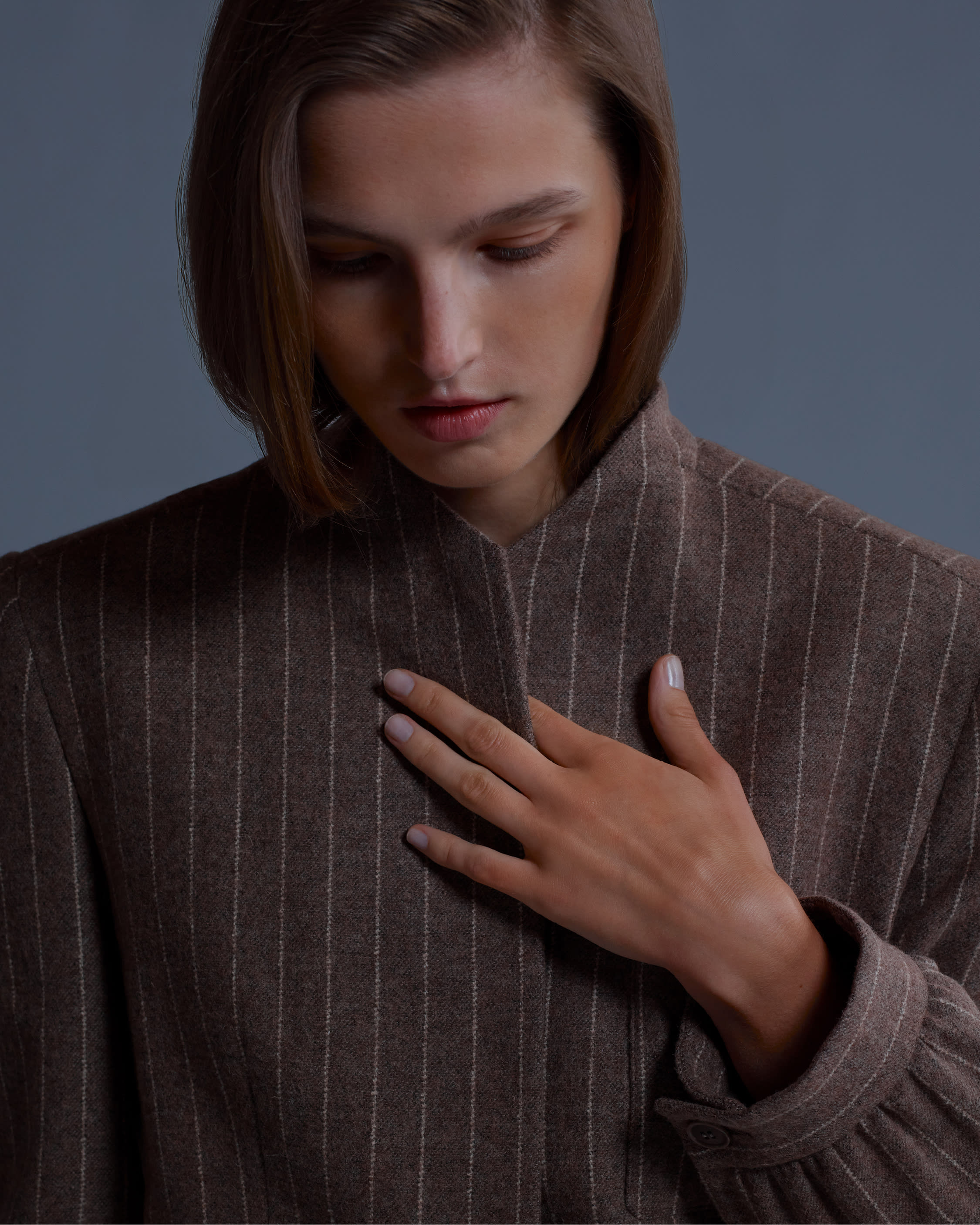
Published in Vogue in 1979, this ensemble from the SS1979 collection helped establish the Giorgio Armani suit as an international reference. The focus shifts to precision and quality: materials, proportions, and details shape a measured elegance, in which expressive strength lies in restraint and meticulous attention to detail.
An ensemble from the SS1979 collection, published in Vogue the same year, that anticipates the core codes of the Armani language. Inspired by 1930s American cinema, it introduces a new vision of tailoring: lighter structures and an unprecedented balance between rigor and naturalness, laying the foundations for an essential, modern, and enduring elegance.
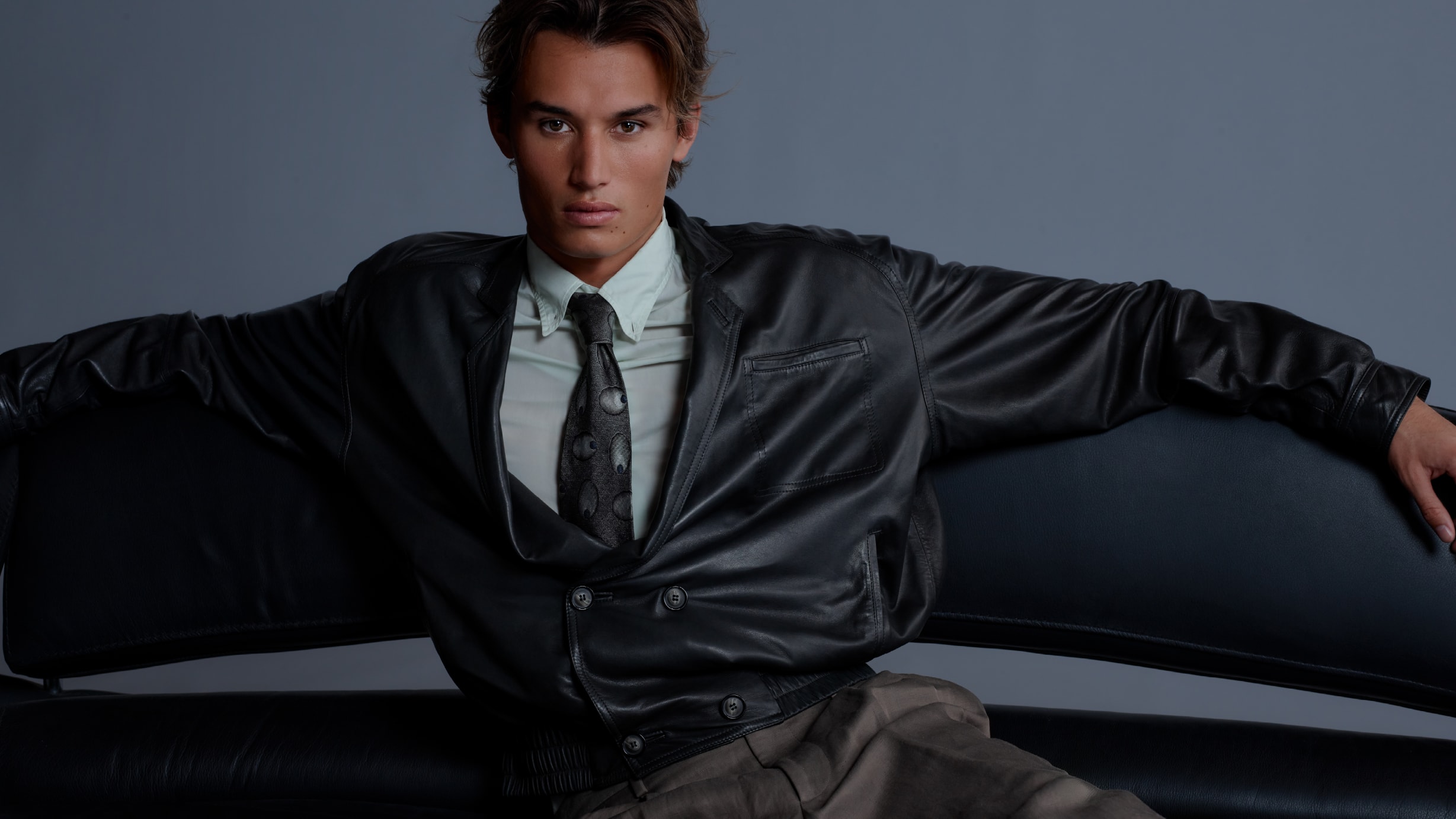
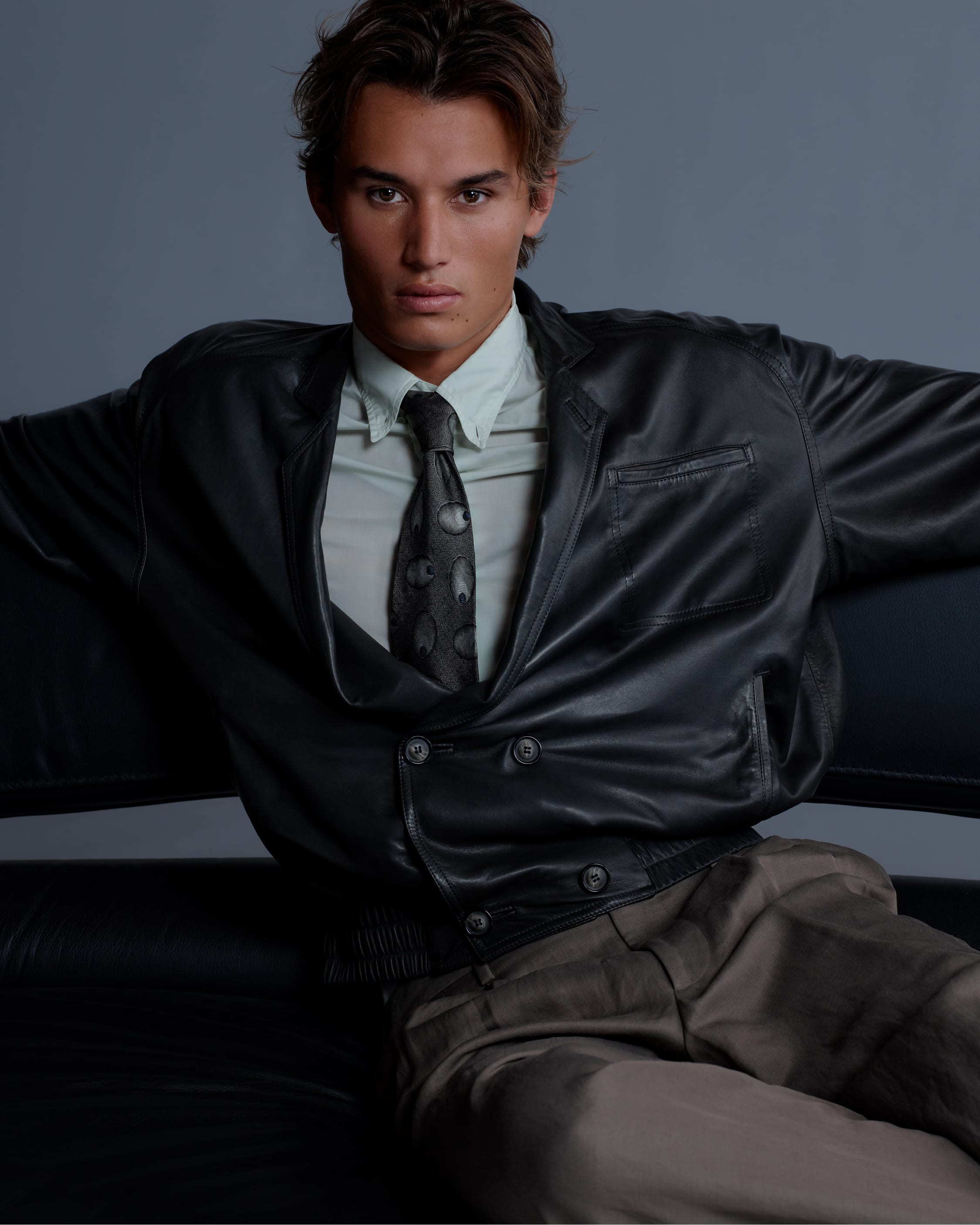
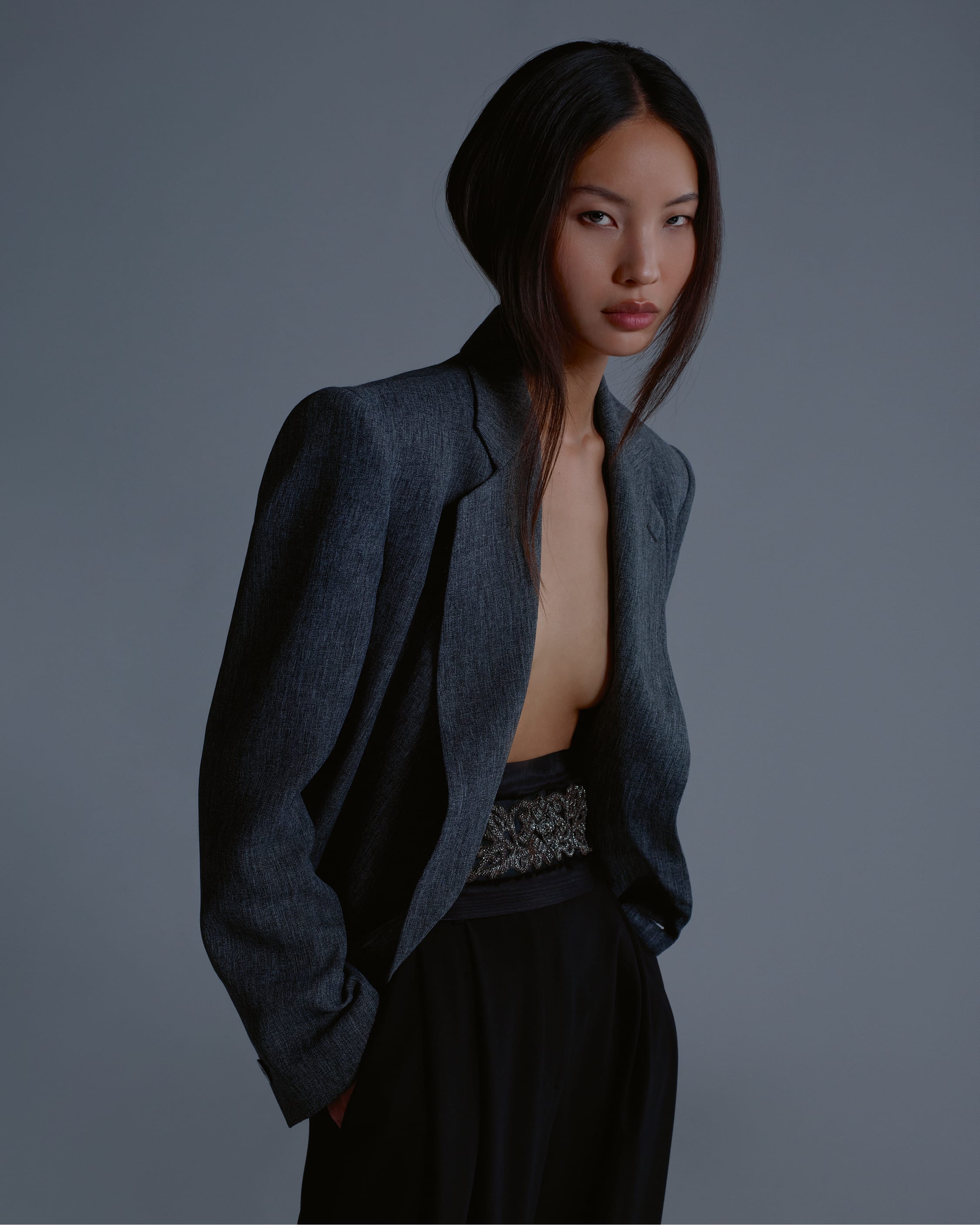
A new edition of a look from the FW1979 collection, embodying one of Armani’s most emblematic explorations of the female silhouette, poised between structure and softness. Photographed by Aldo Fallai and published in Vogue Italia in Barry Lategan’s July 1979 editorial “Italian prêt-à-porter for autumn,” it introduces a new approach: “the suit is draped.” Asymmetry and fluidity transform the ensemble into a dynamic system, capable of redefining elegance in a freer and more expressive way.
A look from the SS1981 collection, photographed by Aldo Fallai for that year’s Spring/Summer campaign. Here, the lightening of tailoring toward a more natural silhouette is enriched by the introduction of patterns as a distinctive element and by the appearance of the GA eagle logo, a symbol of the brand’s new sense of identity.
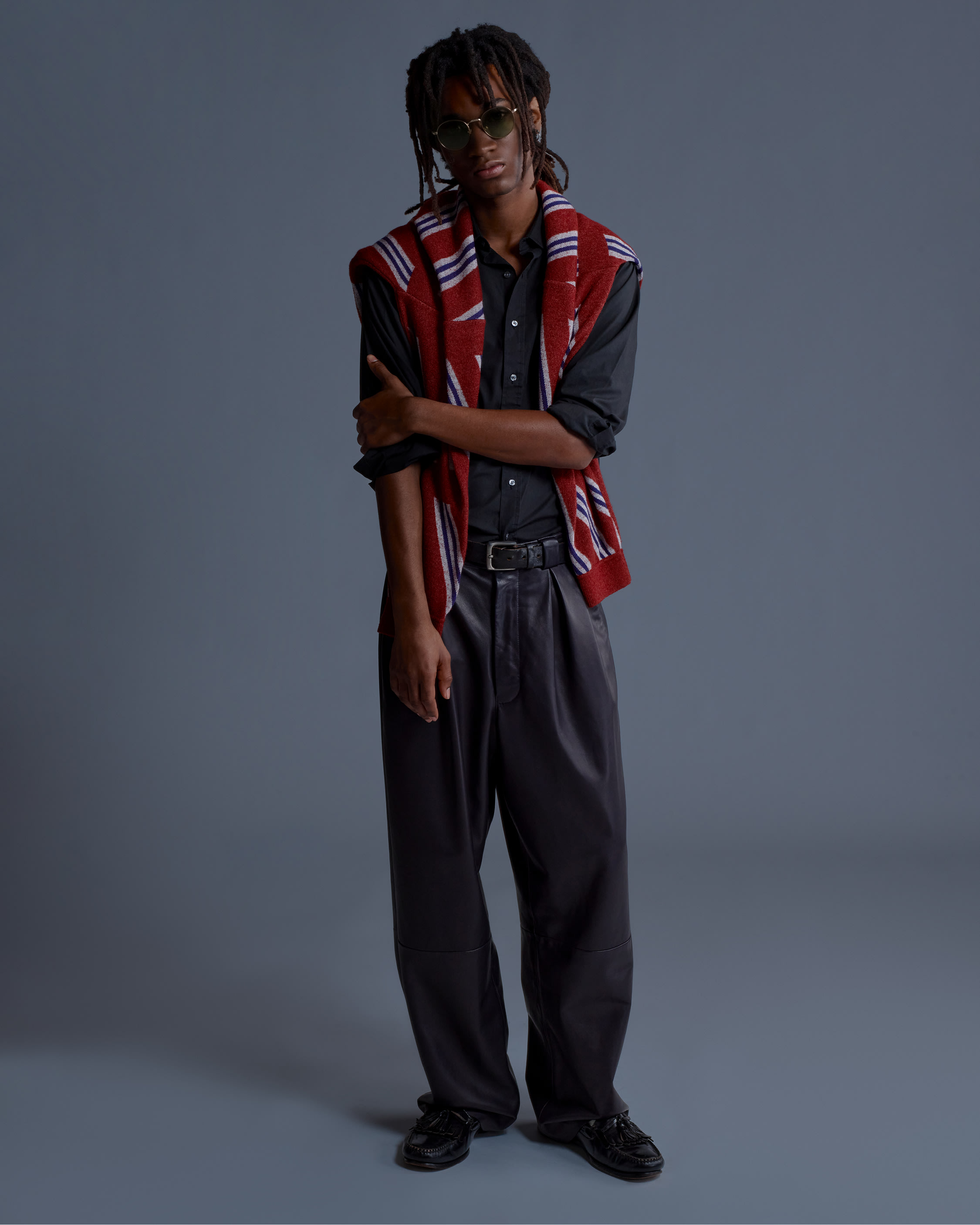
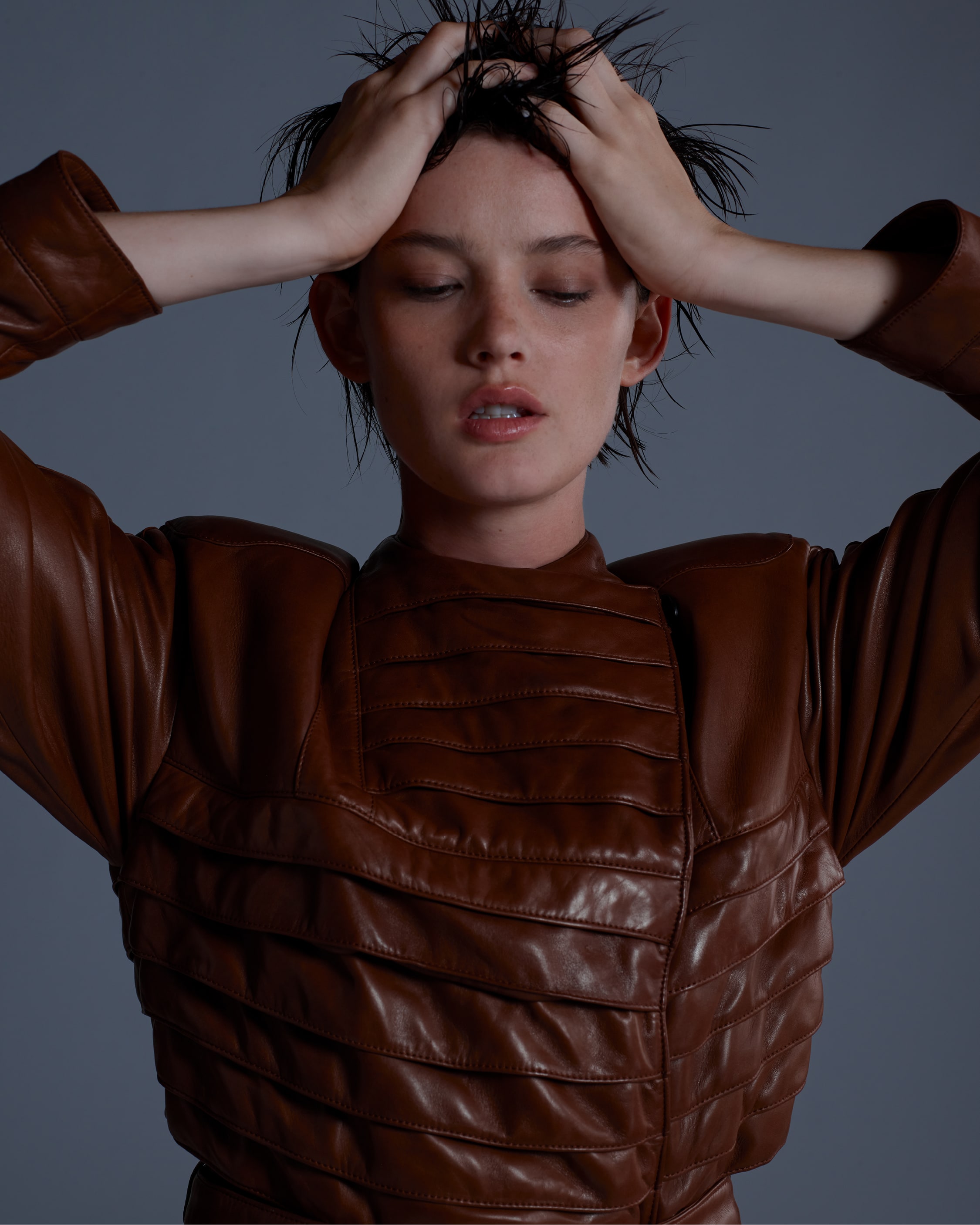
A look from the FW1981 collection, photographed by Aldo Fallai for that year’s Autumn/Winter campaign and selected by Vogue US in a shot by Irving Penn, reflects a dialogue between tailoring and distant imaginaries. The inspiration drawn from ō-yoroi, ceremonial samurai armor, fits within the broader interest in Japanese aesthetics of the early 1980s. Armani reinterprets these references with restraint, transforming them into an essential and recognizable language, where structure and material create a balance between visual strength and formal control.
Published in Vogue US in 1983 and photographed by Arthur Elgort, this look from the SS1983 collection conveys a vision of measured and enduring femininity. The focus lies on proportions and functionality: garments designed for daytime that translate tailoring into an essential language, where balance and formal clarity define a restrained and contemporary elegance.
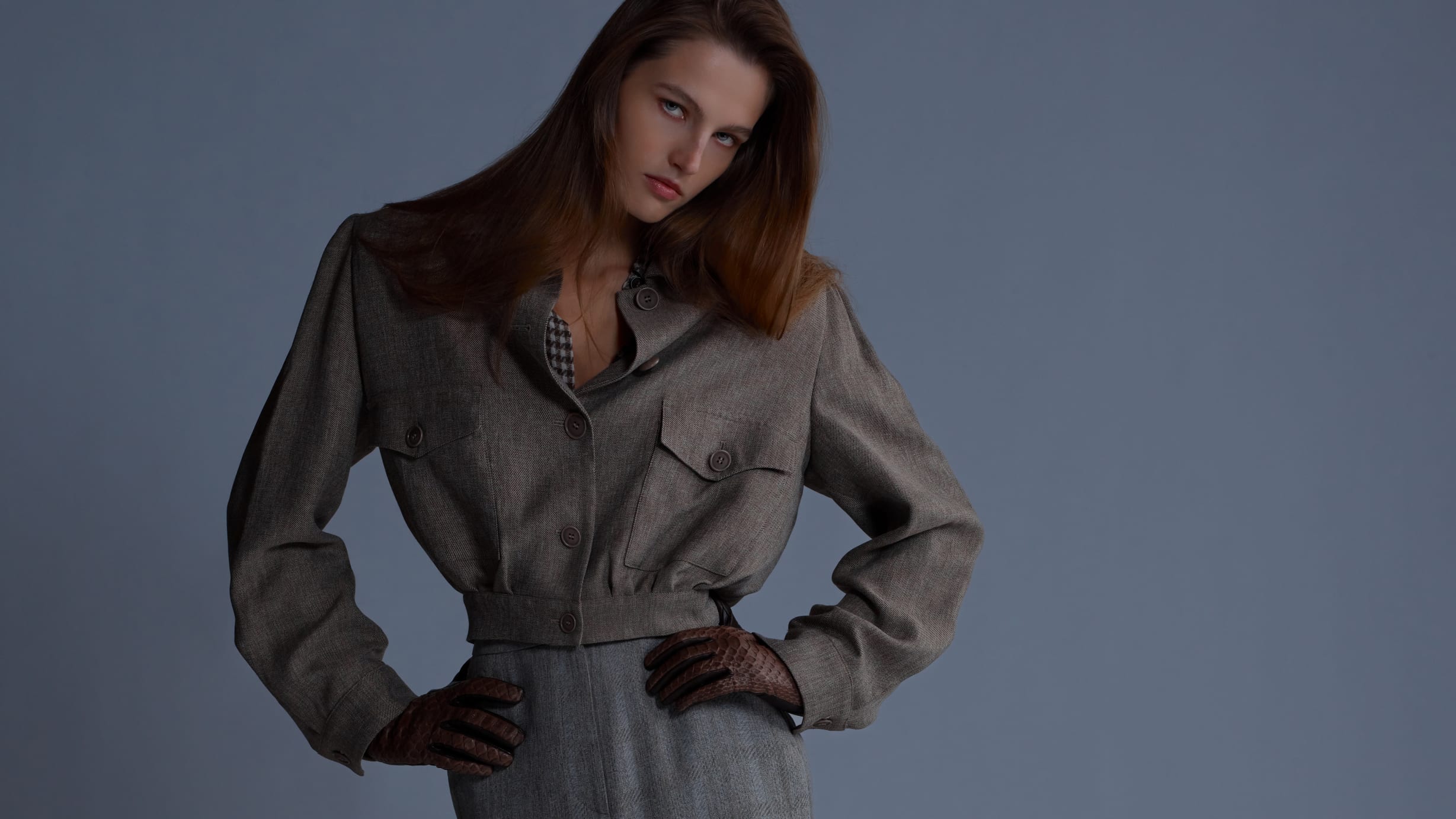
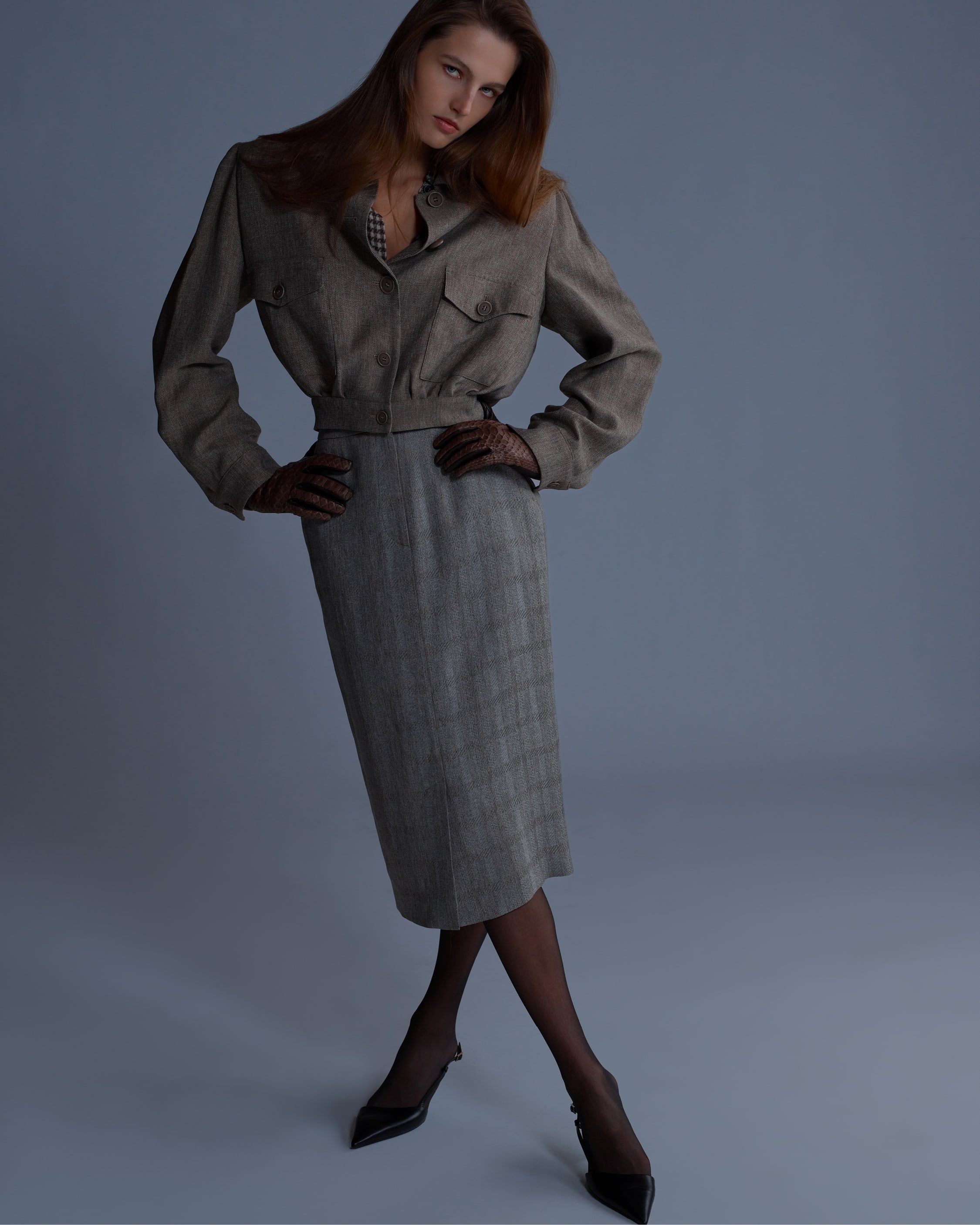
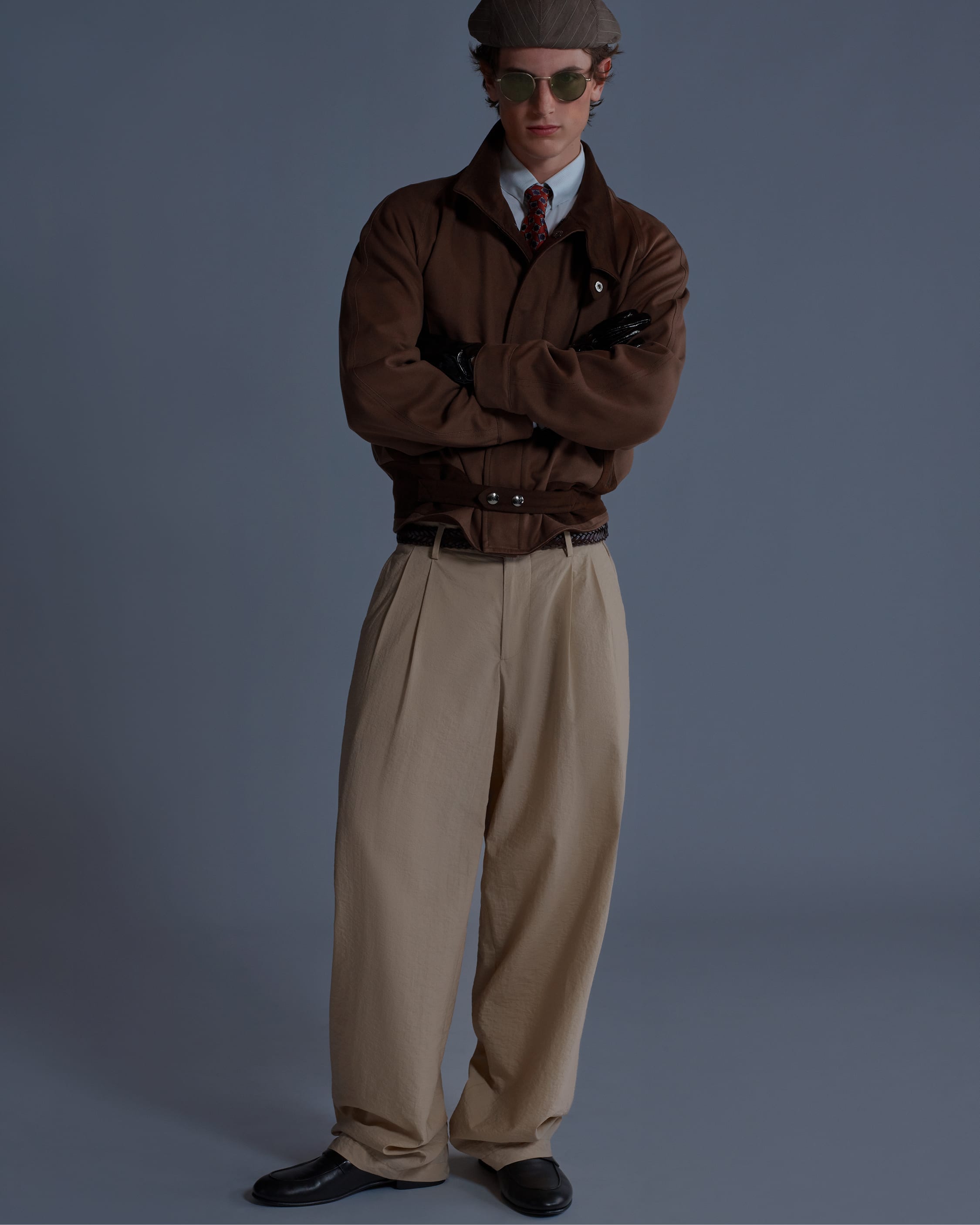
A new edition of a model from the SS1983 Collection, photographed by Aldo Fallai for that year’s Spring/Summer campaign, marks the opening of the Armani language toward a new, more informal idea of elegance. The inspiration drawn from the world of outdoor work is translated into a balance between function and refinement, redefining casualwear in a sophisticated and coherent way.
Photographed by Aldo Fallai for the Spring/Summer 1987 campaign, this ensemble marks a key step in shaping the brand’s visual identity. The central concept is the evolution of tailoring toward a more natural and everyday dimension: a balance between structure and fluidity that redefines tailoring, making it less rigid and closer to daily life.
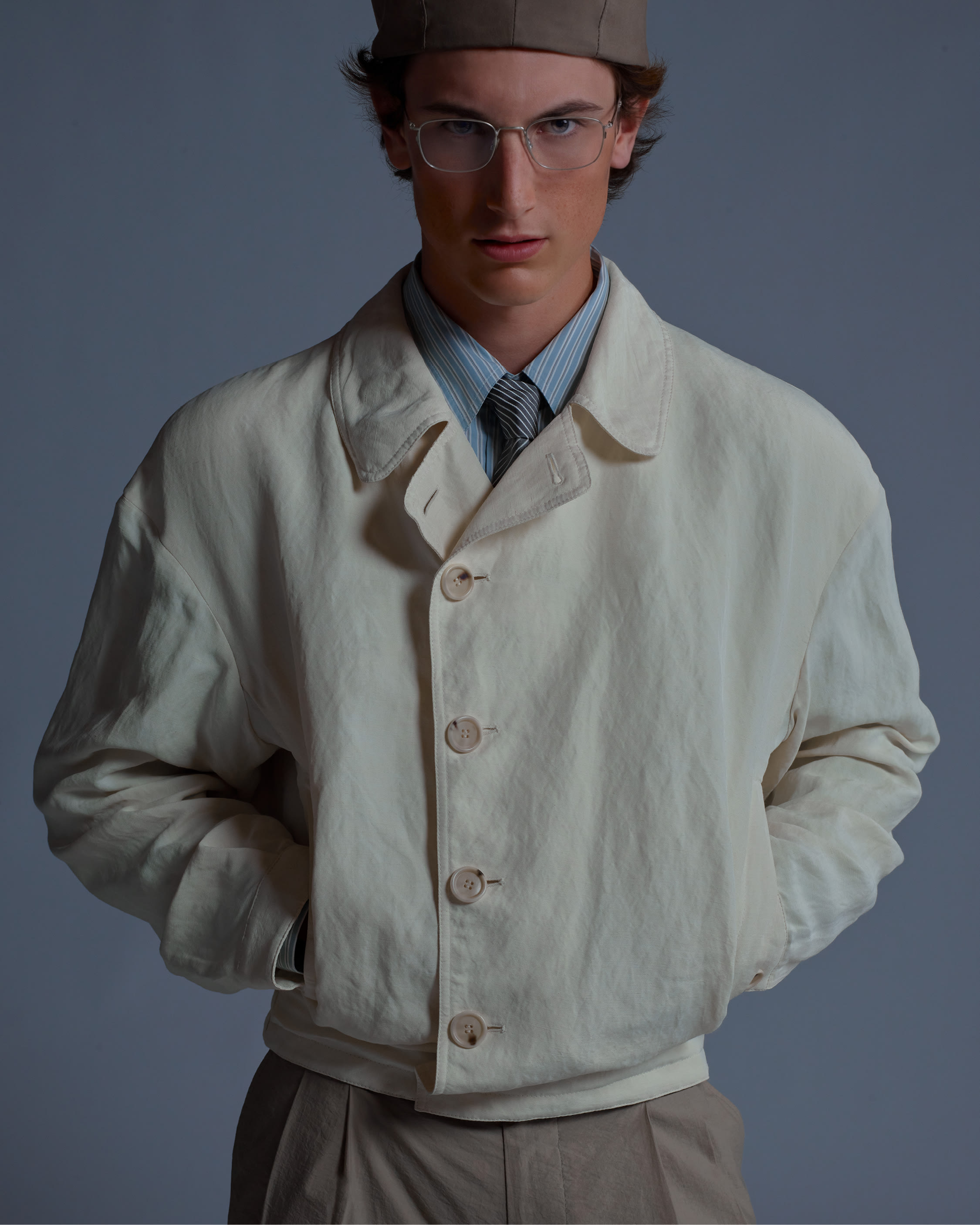
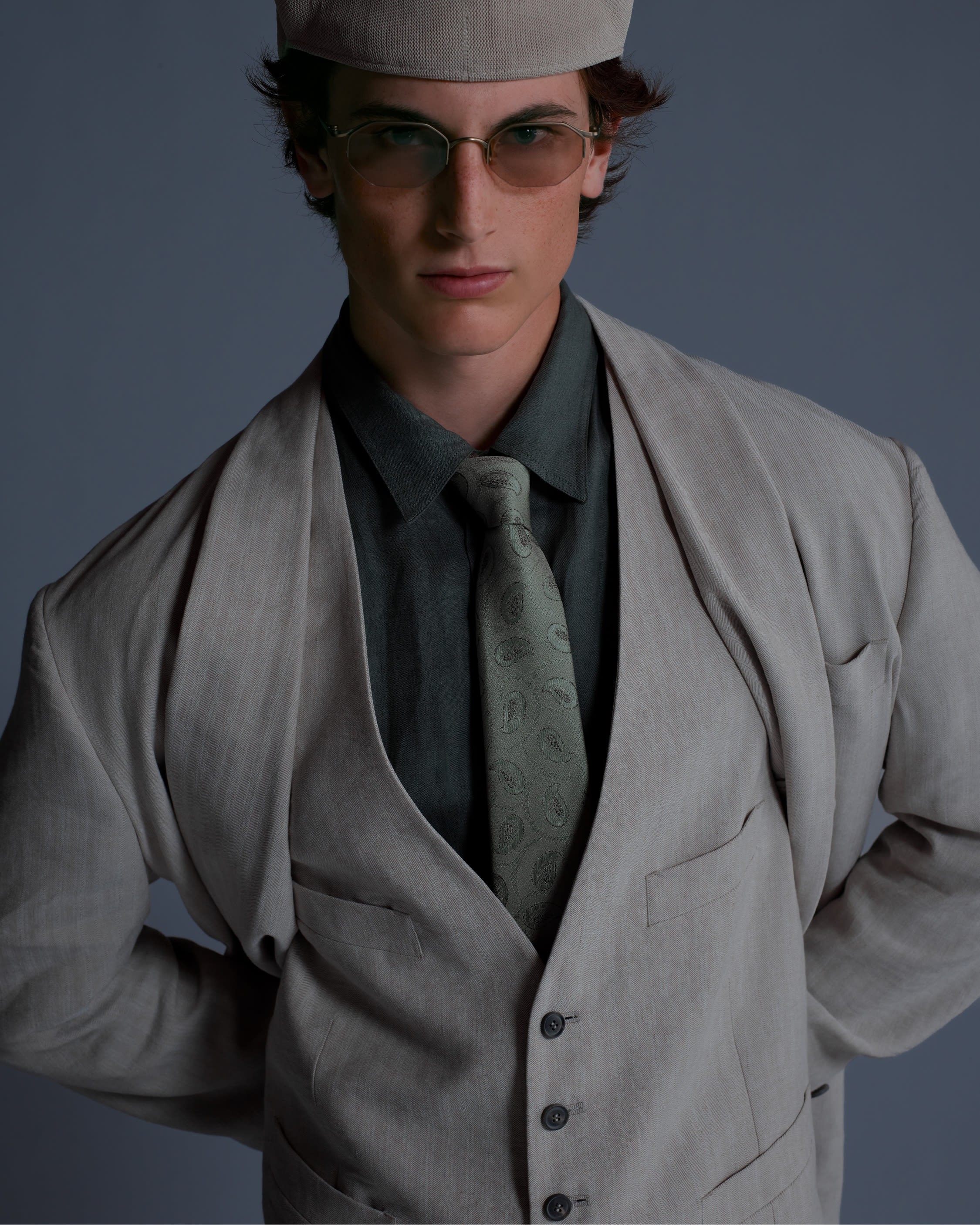
A new edition of a look from the SS1990 collection that encapsulates the new idea of Armani elegance: freer, more natural, and liberated from the constraints of classic tailoring. Captured by Aldo Fallai, who conveys its modern and effortless attitude, and later exhibited at the Guggenheim (2000–2001), this ensemble marks a key moment in the transformation of tailoring into an essential and contemporary language.
Photographed by Jacques Olivar for the Spring/Summer 1990 campaign, this ensemble constructs a femininity poised between artistic references and material exploration. Inspirations from theatre, cinema, and the East—from Léon Bakst to The Iron Crown—intertwine in a cultivated and layered vision, reinterpreted in a fluid and contemporary language where history and imagination coexist naturally.


A new edition of a model from the FW1990 Collection that expresses the concept of Armani deconstruction: lightening the structure of classic tailoring to reintroduce it in a more fluid and contemporary form. A look, photographed by Aldo Fallai for the Fall/Winter campaign of the same year, that captures the balance between sartorial heritage and modernity.
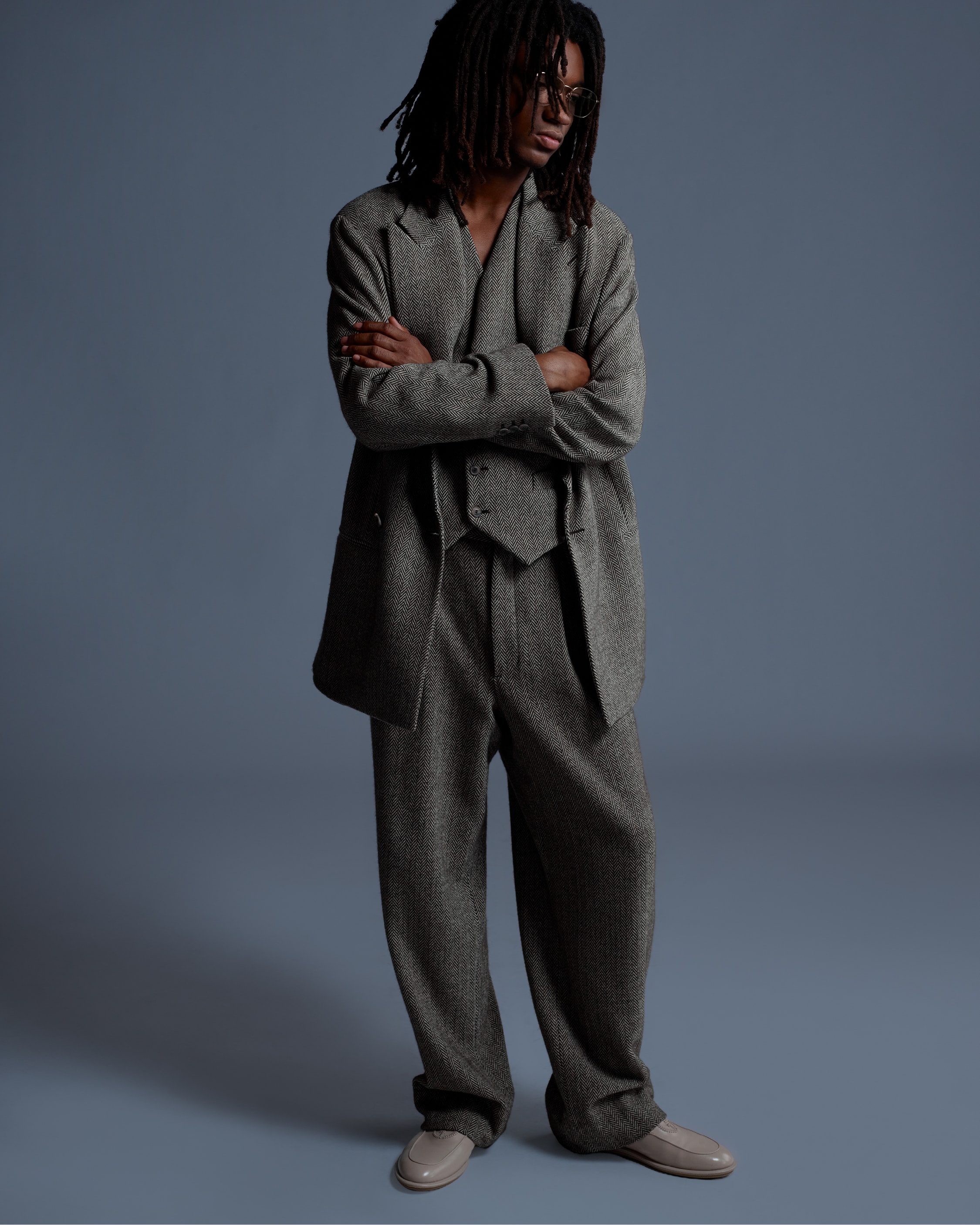
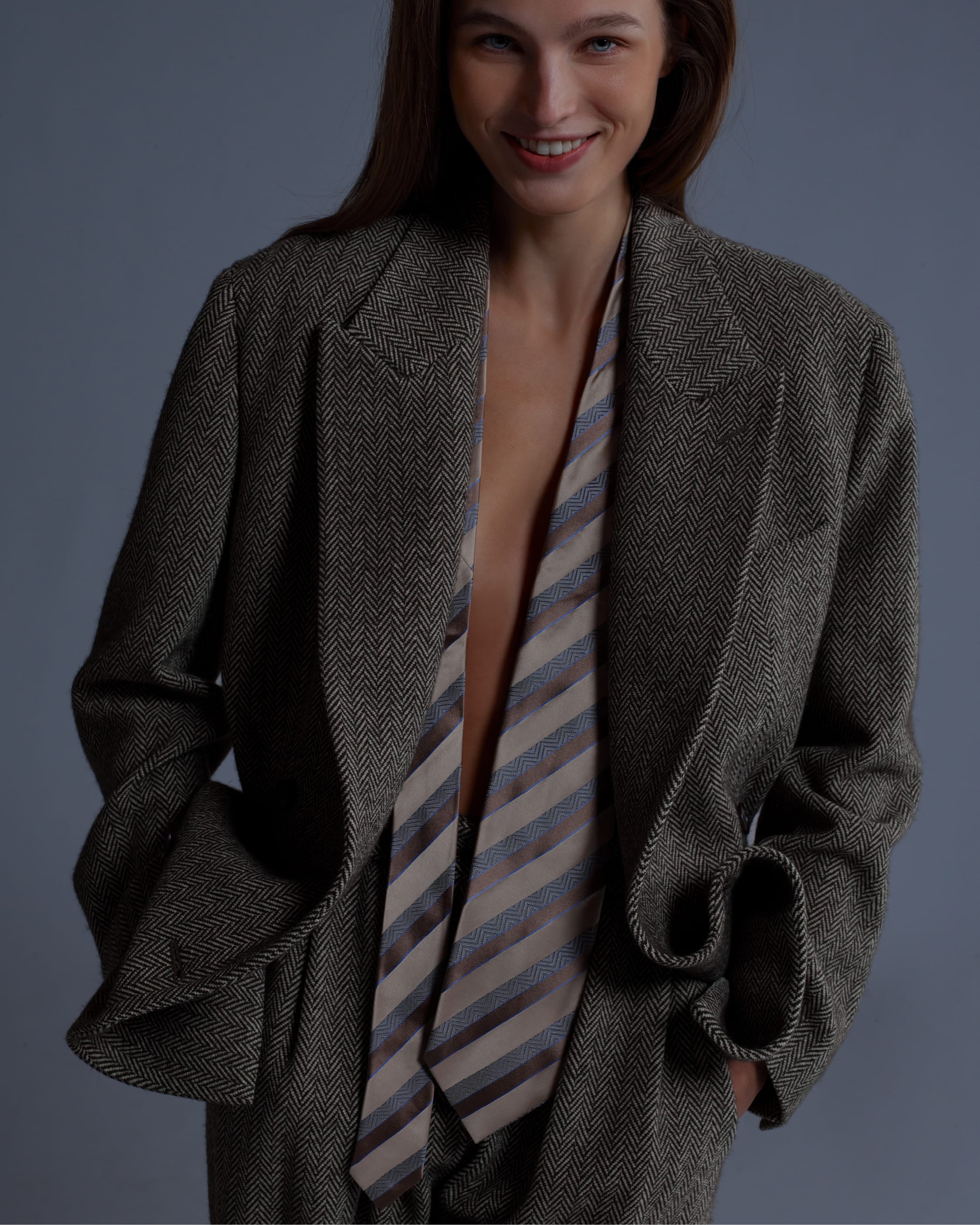
A strong and sophisticated feminine image, in which tailoring becomes an expressive tool rather than a mere structure. Featured in Aldo Fallai’s shots for the FW1990 campaign, this look defines a new idea of feminine elegance, where sartorial construction and a contemporary vision find a point of synthesis. The lines are defined yet never rigid, designed to follow the body naturally, evoking a femininity that does not renounce structure, but makes it more dynamic, more self-aware, and freer.
Photographed by Peter Lindbergh for the Spring/Summer 1994 Collection campaign, this look represents a significant moment in the brand’s evolution, where form and material find a point of synthesis between sartorial tradition and a modern attitude. A reinterpretation of classic tailoring in a freer key, defining an essential, coherent, and timeless elegance.